
Michael Phelps’ decision landed like a shockwave in the swimming world. Just seven minutes after his statement hit social media, the comments section exploded. Some hailed him as brave for “staying out of politics,” while others accused him of dismissing an entire community’s identity.
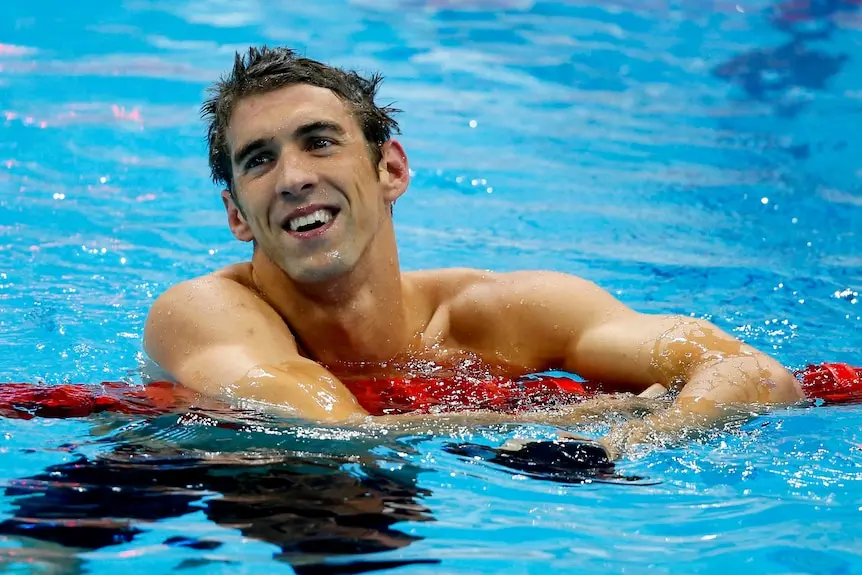
The controversy began when organizers announced a “Pride Night” for an upcoming elite swimming event, designed to celebrate LGBTQ+ athletes and fans. Many stars expressed support, but Phelps quietly declined the invitation. Then came his quote, circulated everywhere: the sport should “focus only on performance.”
According to people close to the organizing committee, Pride Night aimed to highlight inclusion and safety in aquatics, especially for young swimmers who feel marginalized. Sponsors, broadcasters, and several Olympic champions had already signaled enthusiastic support before Phelps’ comments detonated online.
When Phelps added, “If we truly want equality, then there is nothing to be proud of,” the phrase immediately became the center of debate. Supporters interpreted it as a call for a world where differences no longer matter. Critics heard it as erasing real struggles.
Within minutes, hashtags like #PhelpsStatement, #PrideInThePool, and #RespectAllSwimmers began trending. Fans flooded timelines with old race clips, inspirational speeches, and past interviews of Phelps, trying to make sense of his stance compared to his long-standing role as a global sports ambassador.
LGBTQ+ athletes were among the first to respond. Some expressed disappointment, saying visibility nights are not “politics” but recognition of lived experiences. Others, more cautiously, urged people to listen before rushing to judgment, pointing out that Phelps has often spoken about mental health and empathy.
One former national team swimmer wrote that Pride-themed events had once made the pool feel like “the only place I could breathe.” For athletes like them, Pride Night represents safety and acknowledgment, not a distraction from competition, but a deeper reason to keep competing.
On the other side, there were fans and commentators who strongly backed Phelps’ words. They insisted that any identity-focused celebration risks dividing athletes into categories, when the stopwatch is supposed to be the ultimate equalizer. To them, the pool should remain a “neutral zone.”
Sports analysts quickly joined the discussion on live television and podcasts. Some argued that, in reality, sports have never been neutral; they have always reflected social tensions and cultural values. Ignoring that history, they said, doesn’t make politics disappear – it just silences certain voices.
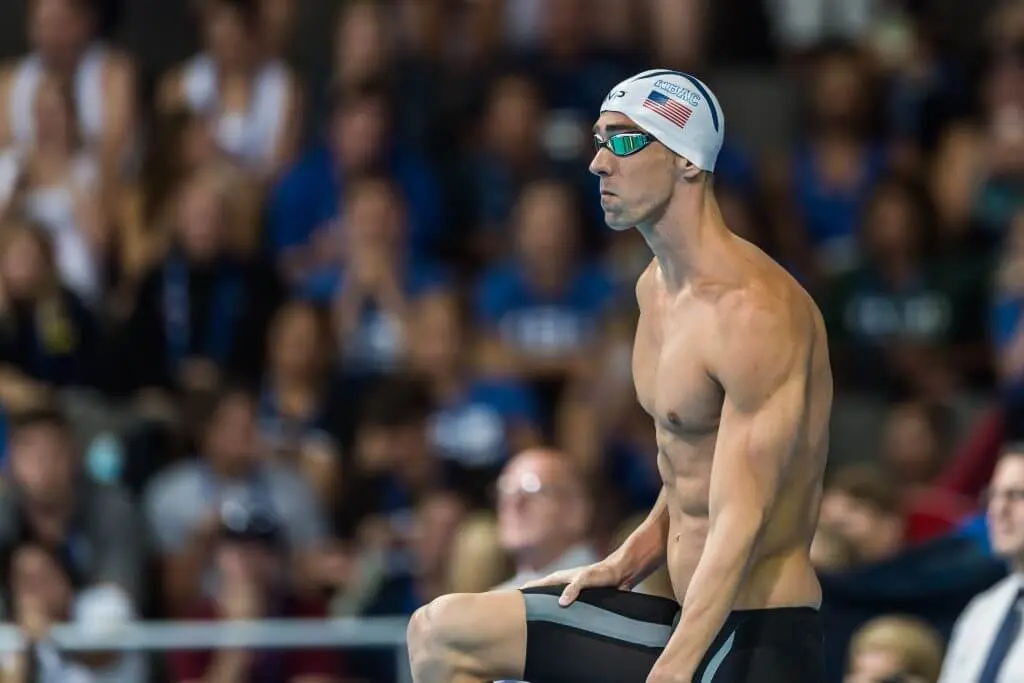
Others countered that constant messaging around causes, however meaningful, might overwhelm younger fans who simply want to watch their heroes race. They asked whether themed nights might unintentionally pressure athletes into public positions, even if they’re still struggling with their own beliefs.
Former Olympians were split as well. A few defended Phelps’ right to decline any symbolic event, reminding everyone that participation is voluntary. Still, several pointed out that when a legend speaks, their words don’t stay “personal” – they shape the culture of the sport.
Behind the scenes, organizers of Pride Night reportedly scrambled to manage the fallout. Some sponsors worried about being dragged into a polarizing debate, while LGBTQ+ advocacy groups privately urged them to stand firm. The event, they argued, was never about forcing athletes to march, but about sending a message.
That message, according to organizers, is simple: no swimmer should feel unsafe, mocked, or invisible because of who they are. For many, visibility nights signal to young athletes that they belong in the lane next to everyone else, not hidden on the sidelines.
Phelps’ camp released no further clarification immediately, fueling speculation. Was his statement a rejection of Pride specifically, or of all symbolic nights – military appreciation, mental health awareness, gender equality campaigns? Without follow-up, fans were left to interpret his words through their own beliefs.
Social media, as always, magnified the extremes. Some users posted angry insults, while others weaponized Phelps’ quote as a slogan against any future inclusion efforts in sports. Lost in the noise were nuanced voices trying to balance respect for Phelps with concern for marginalized swimmers.
A recurring question emerged: what does “equality” actually look like in practice? Is it treating everyone identically and removing all labels, or acknowledging that some groups face unique barriers and deserve targeted support until those barriers genuinely disappear from locker rooms and grandstands?
Ethicists and sociologists weighed in, noting that sport has long been a stage for change, from racial integration to gender inclusion. They warned that dismissing visibility initiatives as “politics” risks repeating old patterns where progress is delayed in the name of keeping things “pure.”
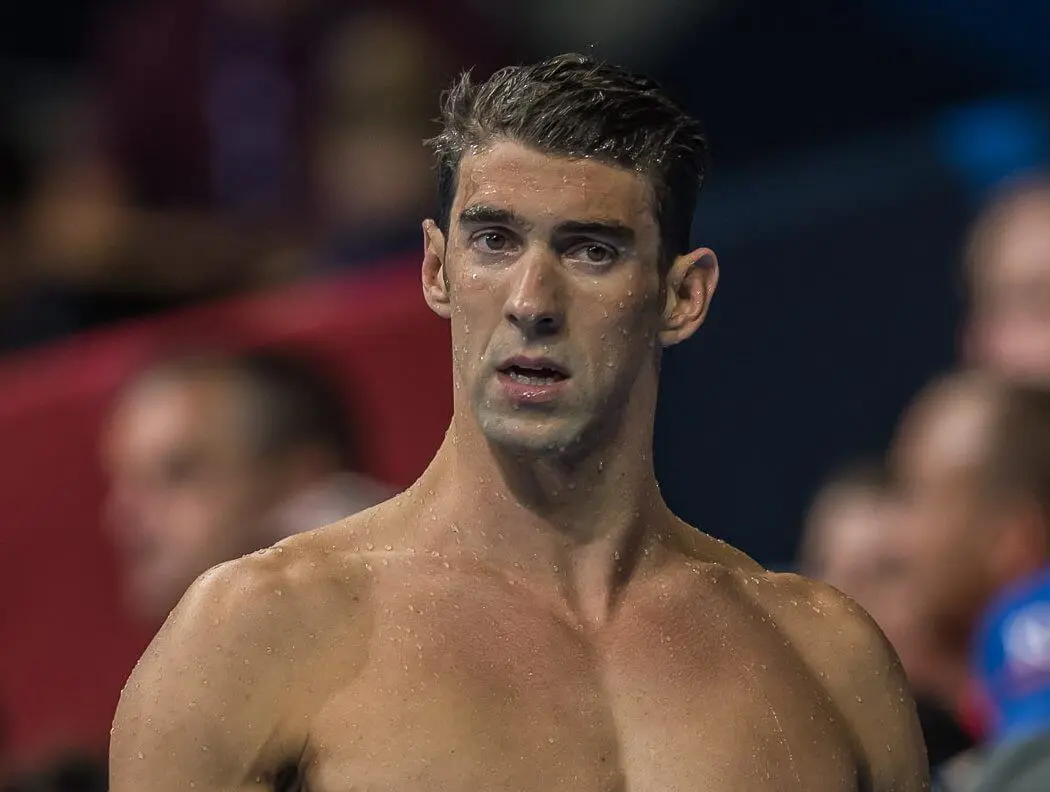
For young fans watching the drama unfold, the conflicting messages were confusing. Some saw their hero seemingly reject a celebration of people like them. Others took comfort in athletes and coaches who spoke up in favor of Pride Night, promising that the pool remains a place for everyone.
What happens next could shape more than one evening on the swim calendar. Organizers must decide whether to scale back, reframe, or double down. Athletes will choose, quietly or publicly, where they stand. And Michael Phelps, intentionally or not, has forced the sport to confront questions it can no longer avoid.
In the end, the lanes will still be filled, the starting buzzer will still sound, and records will still be chased. But beneath the surface, another race is happening – the struggle to define whether excellence in the pool can truly be separated from the identities of the people who swim in it.A