
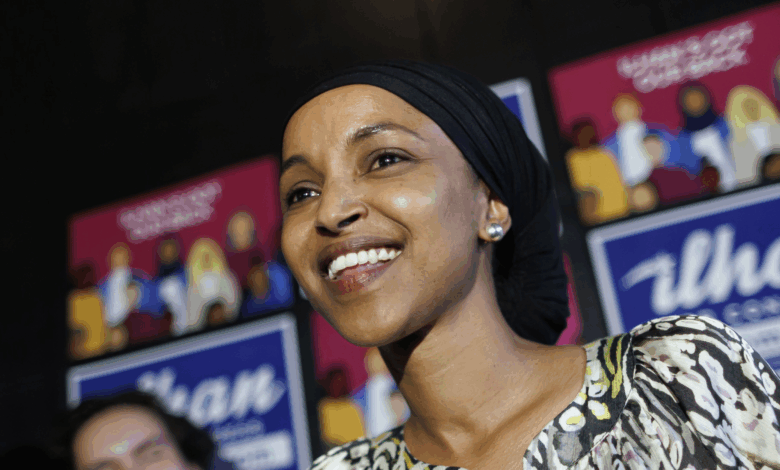
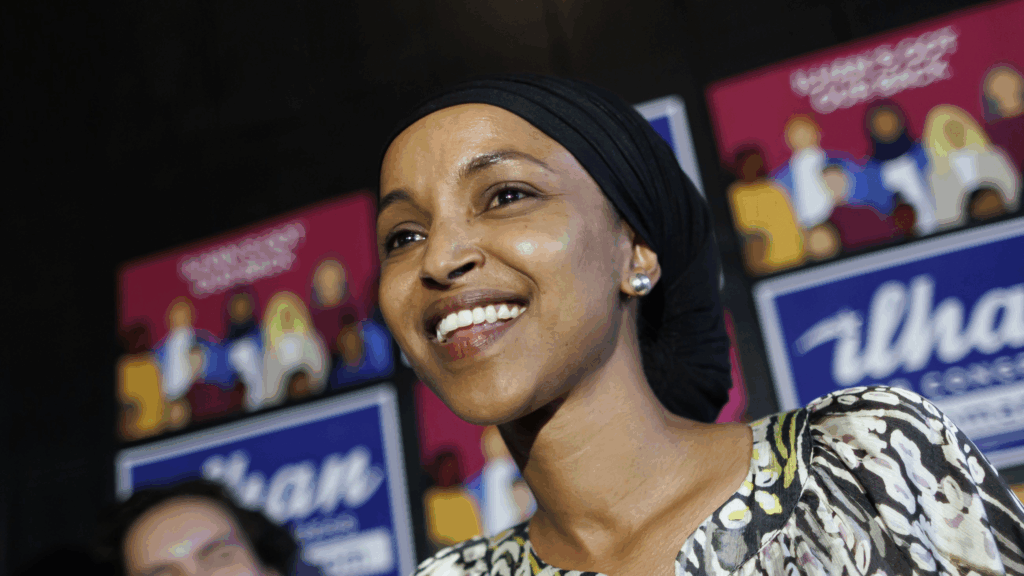
Minnesota Congresswoman Ilhan Omar declared publicly that “I am a law-abiding immigrant congresswoman — and now my life is in danger,” amid rising threats tied to incendiary rhetoric and political attacks, prompting her to reportedly consider bolstering her security measures. This alarming development underscores the personal risks faced by immigrant public figures under increasing political pressure.
Omar’s warning comes in the wake of President Trump’s harsh rhetoric targeting her and the Somali community in Minnesota, including his recent threats of large-scale deportations linked to his administration’s revocation of Temporary Protected Status (TPS) for Somalis. The Somali community in Minnesota, which Omar represents, strongly condemned these moves, with community leaders stating, “The Somali community in Minnesota is a backbone of the state,” emphasizing their essential social, economic, and cultural contributions.
The Rise in Death Threats and Political Hostility
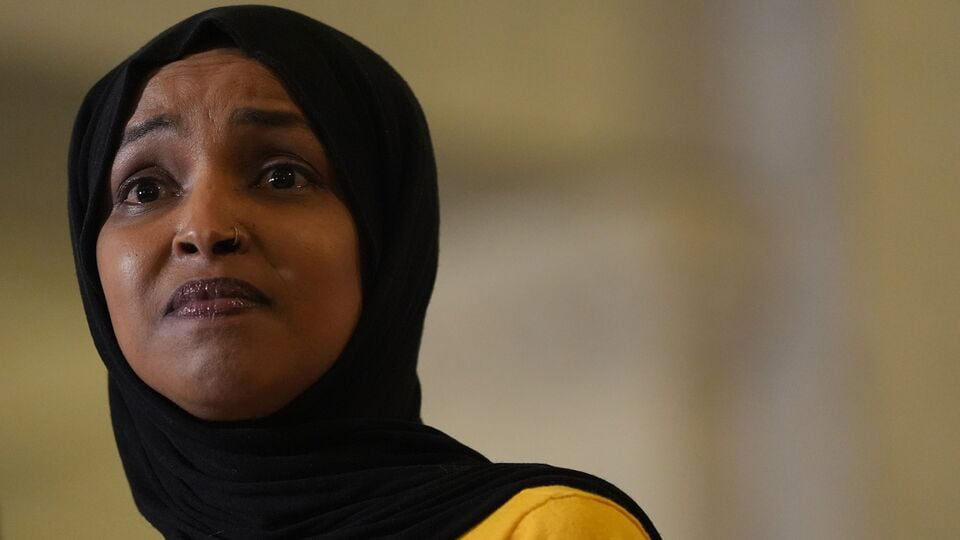
This is not the first time Omar has faced heightened security concerns. She has been targeted repeatedly with hateful rhetoric, including references to her by then-President Trump, who once posted a video linking her comments to 9/11 imagery—an act widely condemned as incitement. The escalation of threats following Trump’s latest remarks and policy proposals has further endangered Omar and her staff, who now reportedly evaluate enhanced protection from federal law enforcement agencies.
Omar acknowledged publicly that while she has faced attacks before, the current climate is particularly charged, adding stress and elevating risks for her family and constituents. Her defenders argue that the vitriol directed at her reflects a broader trend of political weaponization against immigrant and minority leaders, pushing the boundaries of civil discourse.
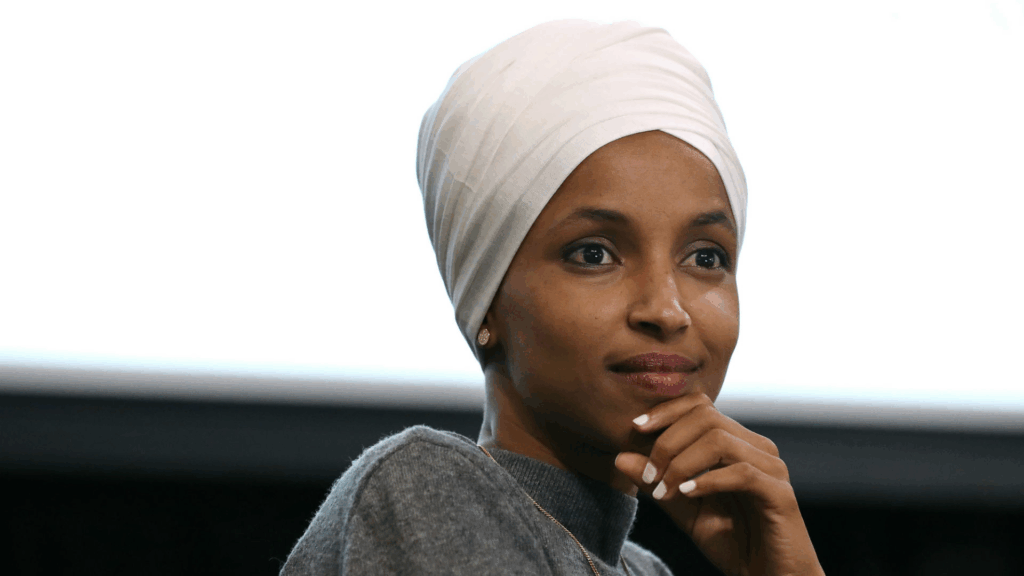
Minnesota’s Somali community swiftly voiced outrage at the president’s plans, warning that mass deportations would devastate families and neighborhoods that have become integral to the state’s broader economic and cultural vitality. Somali advocates argue that rather than weakening communities through harsh policies, efforts should focus on integration and support.
The community’s activism includes organized rallies, social media campaigns, and engagement with local lawmakers to contest deportation measures and defend TPS protections. Omar has been a vocal leader in these efforts, championing immigrant rights and challenging policies perceived as discriminatory or unjust.
Political Implications and Legal Context
These developments highlight contentious debates surrounding immigration enforcement, national security, and civil rights in the 2025 political landscape, with Omar caught at the intersection. While Trump’s supporters tout stricter immigration controls as necessary for sovereignty and safety, critics warn that targeting elected officials and entire communities risks undermining American democratic principles.
Legally, Omar’s status as a naturalized U.S. citizen protects her from deportation; however, ongoing investigations into immigration fraud allegations present complex challenges that continue to fuel political firestorms. Meanwhile, community members fear the broader chilling effect on civic engagement and trust in government institutions.
Conclusion
Ilhan Omar’s recent statements about her safety, coupled with community outrage over deportation plans, reflect an escalating crisis within Minnesota’s Somali population and the national discourse on immigration. As threats intensify and policies grow more severe, the stakes have never been higher—not only for Omar’s security but for the social cohesion and democratic fabric of the state and country. How lawmakers, law enforcement, and communities respond may shape the future of representation, inclusion, and civil liberties in the United States.
