
R.Kelly’s collapse from global stardom did not end with a courtroom sentence.
According to filings submitted by his legal team, his imprisonment has evolved into a far darker narrative, one that alleges systematic threats to his life inside the federal prison system.
What prosecutors dismiss as fantasy, his lawyers describe as an ongoing effort to eliminate him permanently, carried out through intimidation, manipulation, and, most alarmingly, alleged attempts on his life.
The story gained renewed attention after R.Kelly was hospitalized in June 2025 following a sudden medical emergency at the Federal Correctional Institution in Butner, North Carolina.
According to court documents, Kelly awoke in his cell feeling dizzy and faint, experiencing black spots in his vision before collapsing.
He reportedly crawled toward his cell door before losing consciousness entirely.
Prison medical staff, unable to stabilize him on site, transferred him by ambulance to Duke University Hospital, where doctors allegedly discovered dangerously elevated levels of medication in his system alongside blood clots in his legs and lungs.
Kelly’s attorneys argue that this incident was not a medical accident but part of a deliberate plot to kill him.
They claim prison officials administered excessive doses of anxiety and sleep medication while Kelly was in solitary confinement, pushing his body into a life threatening crisis.
The timing, they argue, is critical.

The collapse occurred just days after his legal team filed an emergency motion alleging a conspiracy involving Bureau of Prisons officials and members of the Aryan Brotherhood to have Kelly murdered inside prison.
At the center of those allegations is Glenn Stein, a longtime federal inmate with a violent past and a terminal cancer diagnosis.
According to sworn statements submitted by Kelly’s attorneys, Stein claimed that senior prison officials approached him with an extraordinary proposal.
Stein alleged he was offered freedom during his final months of life in exchange for killing R. Kelly.
The plan, as described in the filings, involved transferring Stein to the same facility as Kelly, allowing the murder to take place, then intentionally mishandling evidence to prevent a conviction.
Stein claimed he had a long history of acting as an enforcer within the prison system, allegedly carrying out beatings and killings at the direction of officials in exchange for protection and privileges.
He stated that in February 2023, officials allegedly arranged his transfer from a high security facility in Arizona to FCI Butner, where Kelly was serving his sentence.
By October of that year, Stein was housed in the same unit as Kelly, giving him regular access to the singer’s daily movements and routines.
According to Stein’s account, he initially agreed to the plan but later experienced a change of heart.
Facing his own mortality, he claimed he decided he would not commit another murder, particularly one intended to conceal alleged misconduct by prison officials.
Instead, Stein said he approached Kelly directly in April 2025 and warned him that his life was in danger.
He then contacted Kelly’s attorneys, offering to testify, submit to a polygraph examination, and provide details about what he described as decades of corruption within the federal prison system.
The situation allegedly escalated further in early June 2025.
Kelly’s legal team claims they learned that another Aryan Brotherhood member at FCI Butner, David Keith Harris, had been approached by prison officials and asked to kill both Kelly and Stein.
According to Harris’s sworn statement, officials discussed poisoning Kelly through food or commissary items, a method that would make the death appear natural or related to Kelly’s existing health issues.
Harris, like Stein, reportedly refused and contacted Kelly’s attorneys.
Armed with these statements, Kelly’s attorney filed an emergency motion in federal court seeking his immediate release to home confinement.
The filing argued that Kelly faced a clear and present danger to his life, constituting cruel and unusual punishment under the Constitution.
The motion accused multiple senior Bureau of Prisons officials of orchestrating the alleged plot, though names were largely withheld due to ongoing litigation.
The government responded forcefully, rejecting the allegations as baseless and describing them as an elaborate conspiracy theory designed to manipulate the court.
Prosecutors emphasized Kelly’s criminal history and the seriousness of his convictions, warning that granting relief on such claims would set a dangerous precedent.
The judge denied the motion without a hearing, ruling that the court lacked authority to alter Kelly’s sentence and that the claims lacked sufficient credible evidence.
Despite the court’s rejection, the controversy intensified following Kelly’s hospitalization on June 13, 2025.
His legal team claims doctors at Duke University Hospital found blood clots in his lungs and legs and recommended a prolonged hospital stay and possible surgery.
According to the filings, prison officers removed Kelly from the hospital against medical advice and returned him to solitary confinement under armed escort.
His attorneys argue that untreated pulmonary embolisms can be fatal and that the decision to remove him placed his life in immediate danger.
The Bureau of Prisons declined to comment on the allegations, citing pending litigation.
The silence has fueled speculation and deepened public debate, with some viewing the claims as desperate legal maneuvering while others point to the documented dangers faced by inmates convicted of crimes against children.
R.Kelly’s situation cannot be separated from the harsh realities of prison culture.
Within the inmate hierarchy, individuals convicted of s*x crimes involving minors occupy the lowest and most dangerous position.
Violence against such offenders is often rationalized as vigilante justice and, in some cases, rewarded with increased status among other inmates.
This dynamic is not theoretical.
Kelly experienced it firsthand in August 2020 while awaiting trial at the Metropolitan Correctional Center in Chicago, when another inmate assaulted him in his cell.
That attack, carried out while Kelly slept, resulted in physical injuries and lasting psychological trauma.
Following the assault, Kelly was placed in protective custody.
The incident reinforced the reality that, regardless of official conspiracies, his crimes alone make him a perpetual target behind bars.
Prison gangs, including the Aryan Brotherhood and others, have historically enforced an informal code that permits or encourages violence against s*x offenders.
While these groups often claim moral justification, their history reveals deep hypocrisy, as many members have themselves been convicted of crimes against women and children.
Nonetheless, the threat they pose to inmates like Kelly is real and persistent.
Kelly’s celebrity status further complicates his incarceration.
High profile inmates often disrupt normal prison operations, leading to lockdowns and heightened security measures that breed resentment among the general population.
Combined with the nature of his convictions, this resentment increases the risk of violence and retaliation.
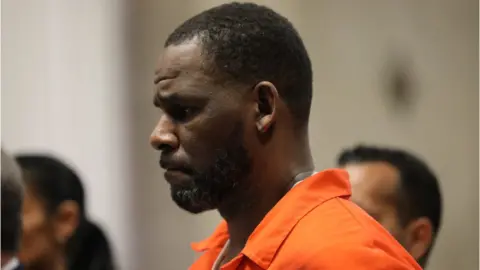
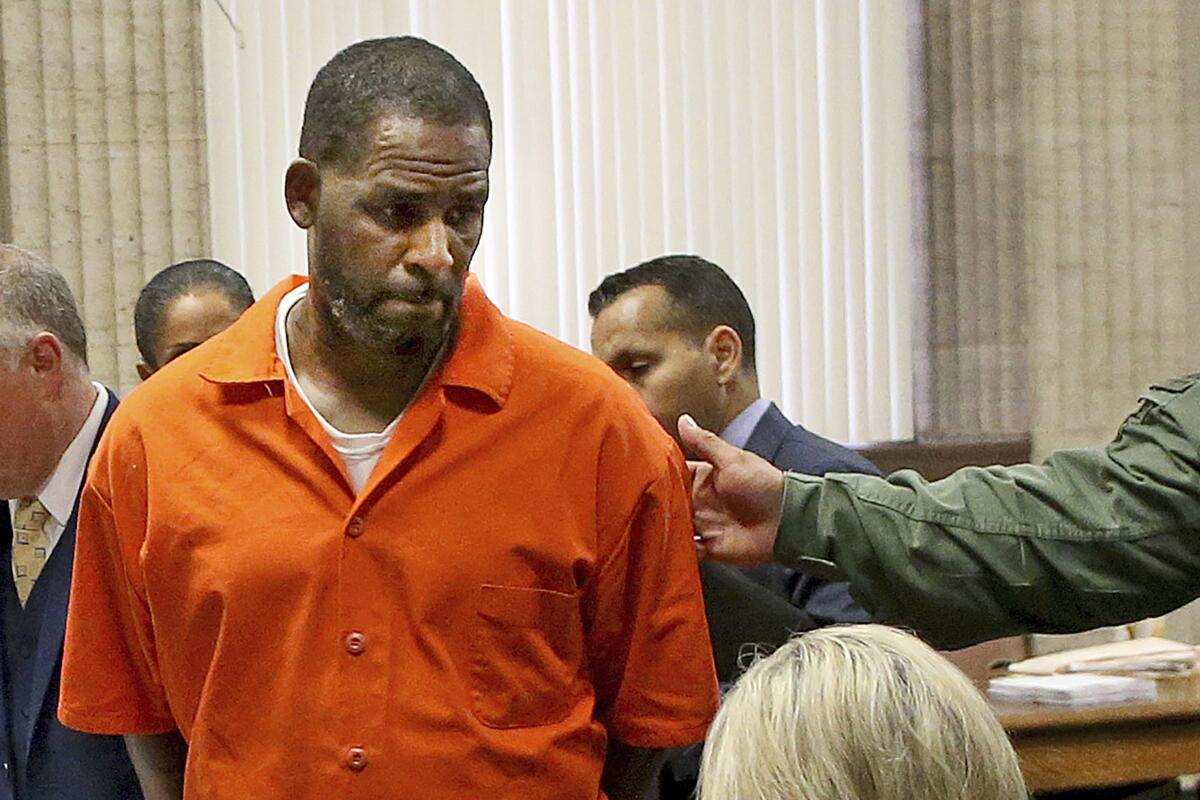
As of now, R.Kelly remains incarcerated at FCI Butner, with no independent confirmation of the alleged assassination plots or poisoning attempt.
His legal team maintains that surveillance footage, medical records, and witness testimony support their claims, while prosecutors insist the story is a fabrication designed to distract from his crimes and convictions.
Whether the allegations represent a genuine scandal or a calculated legal strategy, they expose uncomfortable truths about the vulnerabilities of inmates, the brutality of prison culture, and the limits of institutional transparency.
For Kelly, the legal battles may be over, but the fight for survival, according to his attorneys, continues daily behind prison walls.