
For over 112 years,
the Titanic has guarded its secrets beneath nearly 13,000 feet of crushing
darkness.
Countless expeditions have
tried — and failed — to penetrate its most fragile, forbidden
chambers.
But now, thanks to a breakthrough in underwater robotics, an advanced drone has entered a restricted section of the wreck that no human, submarine, or camera had ever reached before.
What it found inside has left historians speechless… and some experts visibly shaken.
 THE HISTORIC DESCENT INTO DARKNESS
The mission was planned in total secrecy, involving elite marine engineers and Titanic historians who had spent years analyzing the ship’s structural weaknesses.
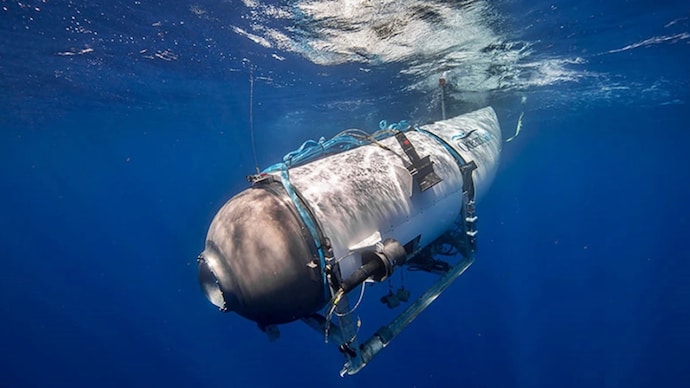
The drone — a state-of-the-art machine designed to withstand unimaginable pressure — slipped into the Atlantic abyss, navigating a labyrinth of twisted steel beams and collapsing decks.
As its lights cut through the black water, the ghostly outline of the Titanic emerged, more intact — and more haunting — than any recent expedition had seen.
But the drone was headed somewhere no one had dared go.
 A FORBIDDEN ZONE: “THE BLACK ROOM” OF THE TITANIC
For decades, one section of the ship had been declared too dangerous to explore.
A place where
walls had buckled, ceilings had collapsed, and razor-sharp metal hung like
traps waiting to shred anything that approached.
Experts simply called it:
“The Black Room.”
A hidden cavity sealed off by time,
pressure, and the Titanic’s slow decay.
This is where the drone went.
This is where history opened its jaws.
FOOTAGE THAT HAS NEVER BEEN SEEN — UNTIL NOW
The moment the drone crossed the threshold, the live feed room went silent.
What the lights revealed felt impossible:
Cabins frozen exactly as they were the night the ship sank
A cracked porcelain teacup still
lying beside a rusted bedframe.
A
pocket watch stopped forever at the moment of impact.
A pair of spectacles resting on a desk covered in sediment like ash.
Handwritten notes fused to the wall, their ink blurred but still legible in parts — messages from a world now long gone.
A woman’s shoe, perched neatly as if waiting for its owner to return.
It was a moment that blurred time itself, a window into the lives that ended so abruptly on April 15, 1912.
Experts in the control room stared, some with tears in their eyes, others struggling to process what they were seeing.
 DECADES OF ASSUMPTIONS — DESTROYED
Inside the restricted zone, the drone recorded anomalies that stunned structural engineers:
-
Walls oddly intact despite known collapse patterns
-
Rooms preserved far better than expected
-
Debris lying in arrangements that contradicted previous sinking theories
Everything they thought they knew about the Titanic’s final moments was suddenly up for debate.
Historians whispered to one another:
“We’re rewriting the textbooks… right now.”
A SHIP THAT REFUSES TO BE FORGOTTEN
To the experts watching, the wreck was no longer just metal and memory — it was a time capsule, still fighting to tell its story after more than a century.
The Titanic’s secrets, once believed permanently lost, now feel tantalizingly close to the surface.
But this revelation also came with dread.
What else lies hidden?
What rooms
remain untouched?
What truths about
that night have yet to be discovered?
 THE DISCOVERY THAT WILL CHANGE EVERYTHING
As the drone resurfaced, the footage it carried was immediately classified for analysis — but whispers leaked instantly.
The world is now bracing for what this discovery means:
-
New evidence
-
New theories
-
New heartbreak
-
New understanding of the tragedy that has haunted generations
One thing is certain:
The Titanic is nowhere near done revealing its secrets.
And this breakthrough — this forbidden glimpse into a place untouched for 112 years — may be the beginning of the ship’s most shocking chapter yet.